Знание
Dextrose: More Than Just a Sweetener
What Dextrose Really Is
Dextrose sounds complicated, but take a closer look, and it’s simply a type of glucose—pure, simple sugar derived most often from corn. Anyone checking out the ingredient label on processed food has probably noticed it on more than a few items. This sugar turns up everywhere, from energy drinks to bakery products, because it brings quick energy and sweetness at a low cost.
Real-Life Importance
People with diabetes recognize dextrose as the main sugar in emergency glucose tablets. When blood sugar dips too low, a few tablets can make all the difference. The reason is straightforward: the body absorbs this sugar quickly, raising blood sugar right away and reducing the chance of medical emergencies.
Hospital staff rely on this same rapid action in IV solutions. Medical teams use dextrose infusions as a fast energy source for patients who can’t eat. No drawn-out waiting. There’s a reason first-aid kits come stocked with glucose gel—to help rescue people when every second counts.
In the Food Industry
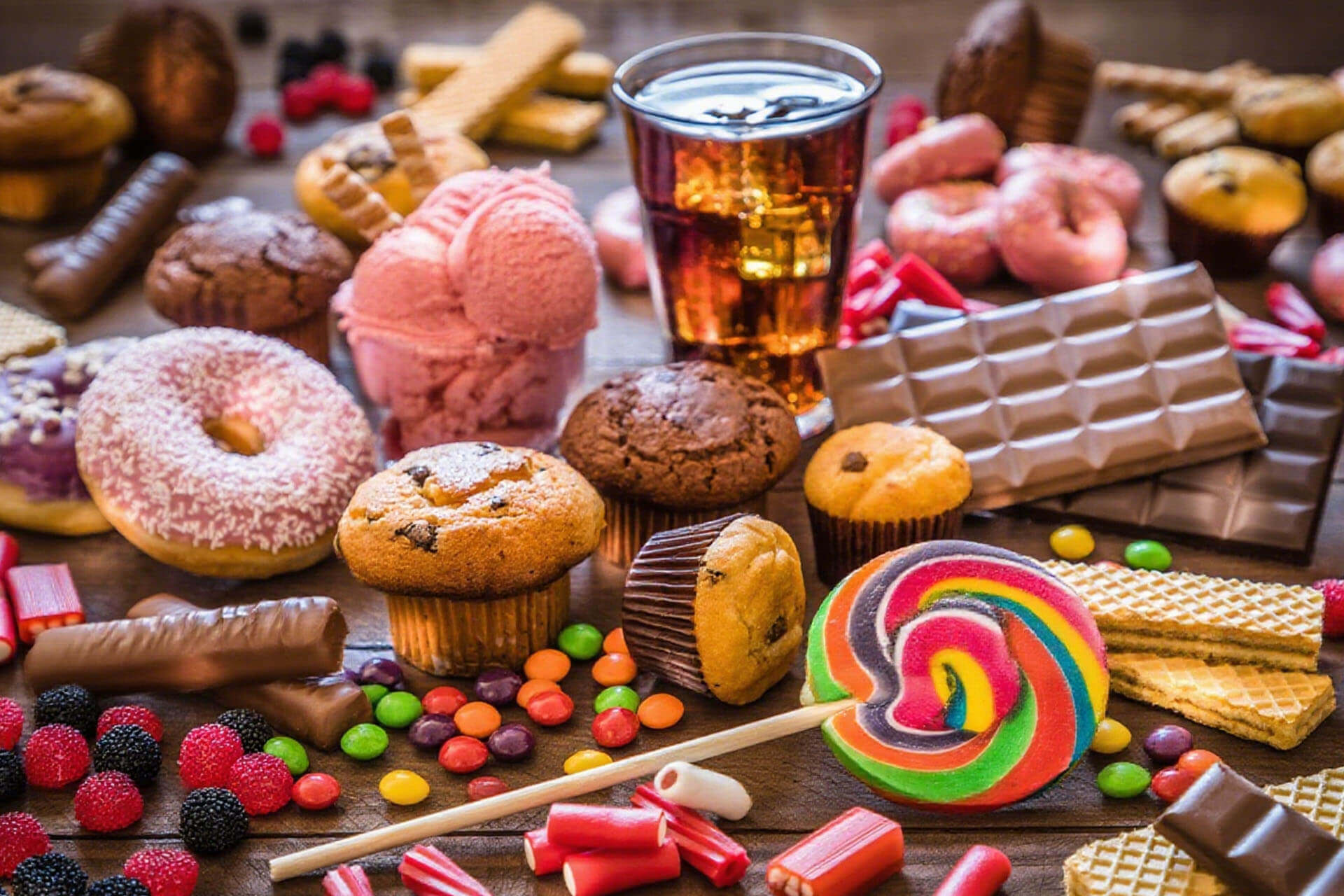
Baked goods and candies claim a large share of dextrose use. Bakers value dextrose for more than its sweetness. It keeps cakes soft and bread fresh. Customers probably never realize that marshmallows, ice cream, and even sauces owe some of their pleasing texture and taste to this sugar. Plus, dextrose browns under heat, giving crusts a color that invites you to reach for a second slice.
Why It Deserves Attention
People often debate the health impacts of processed sugars, and dextrose stands in the middle of the argument. Research shows that eating large amounts of fast-absorbed sugars ties into rising global rates of obesity, heart disease, and diabetes. Food manufacturers reach for dextrose because it’s affordable and performs well, but consumers pay a price if they eat too much of it day in, day out.
Those watching blood glucose levels need a sharp eye for dextrose hiding in ‘healthy’ snacks, breakfast cereals, and savory foods. Even some so-called natural products sneak it in. As a parent, I pay close attention to packed lunches. Slip in one energy bar with high dextrose, and my kid’s energy spikes, then crashes before afternoon lessons.
Better Choices, Balanced Use
The easy fix isn’t to avoid dextrose across the board. It fills an important role, especially in medical situations and as a critical energy source for athletes during intense training. The problem builds when it becomes a daily staple for everyone. Increased awareness and more data-backed guidance can go a long way.
Clearer food labeling would help families make smart choices. Many people look for ‘sugar’ on a label but might miss out on less obvious ingredients like dextrose. Changes like this can empower shoppers to put products in their cart that match their real health goals, not just corporate bottom lines.
Dextrose will stick around. The trick is using it where it works best. Scientific studies, professional dietitian advice, and lived experience all point in one direction: a little goes a long way, especially as food habits shift around the world.